Brass Fittings News
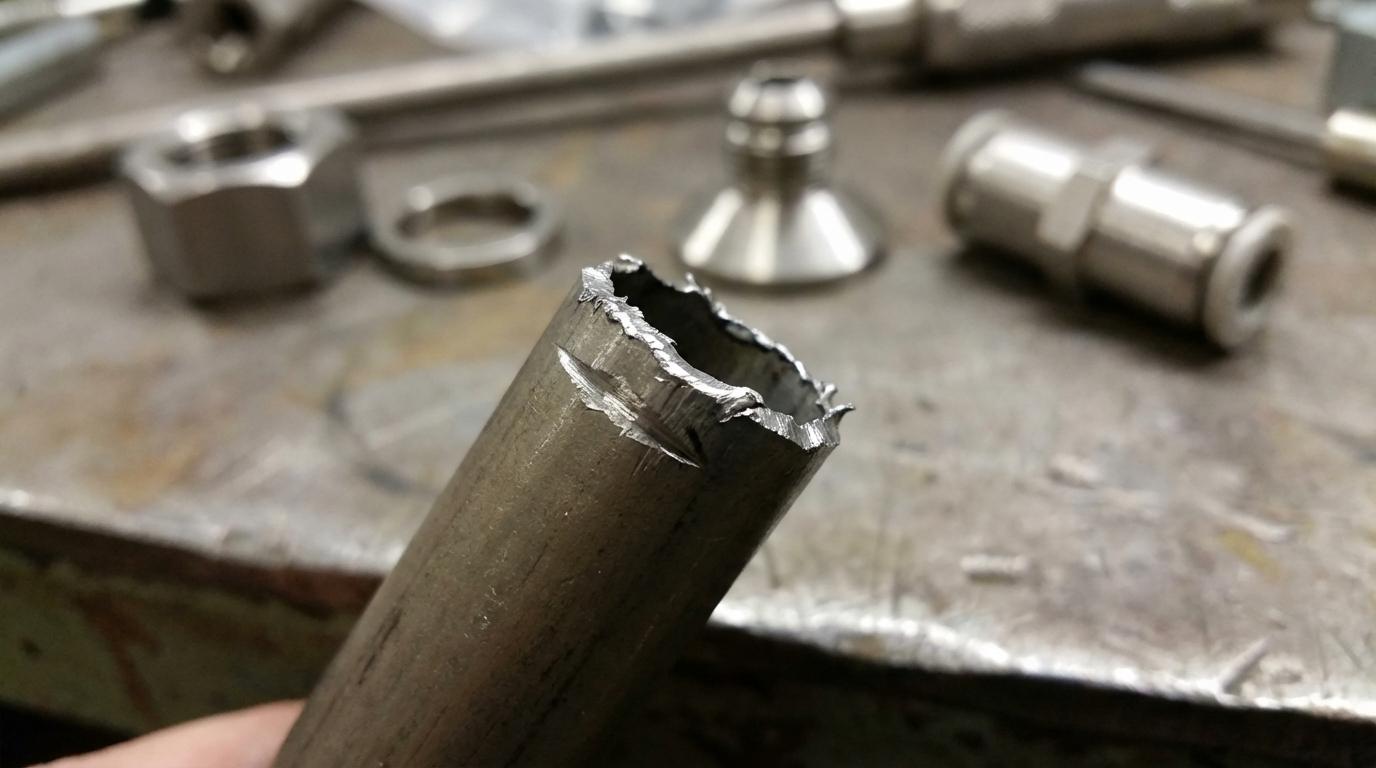
Compression vs Flare vs Push-to-Connect: Which Connection Type Fits Your Application?
Choosing between compression, flare, and push-to-connect fittings is less about brand preference and more about matching the joint’s sealing physics to your pressure, temperature, vibration, media, an ...
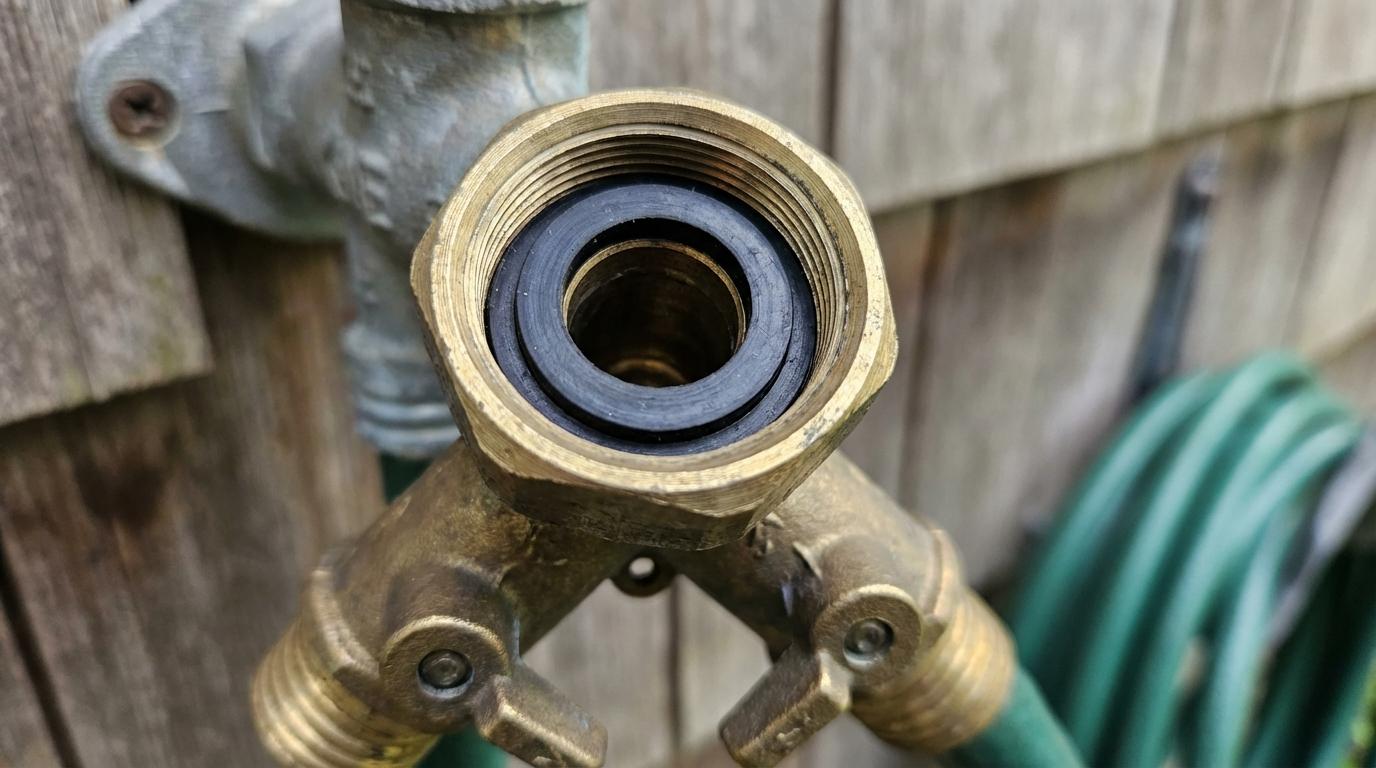
Brass Fittings Brass Hose Y Garden Hose Fitting
A brass fitting garden hose splitter is a small component with an outsized impact. When it works well, you stop walking back and forth to the spigot, stop swapping hoses mid-task, and stop accepting d ...
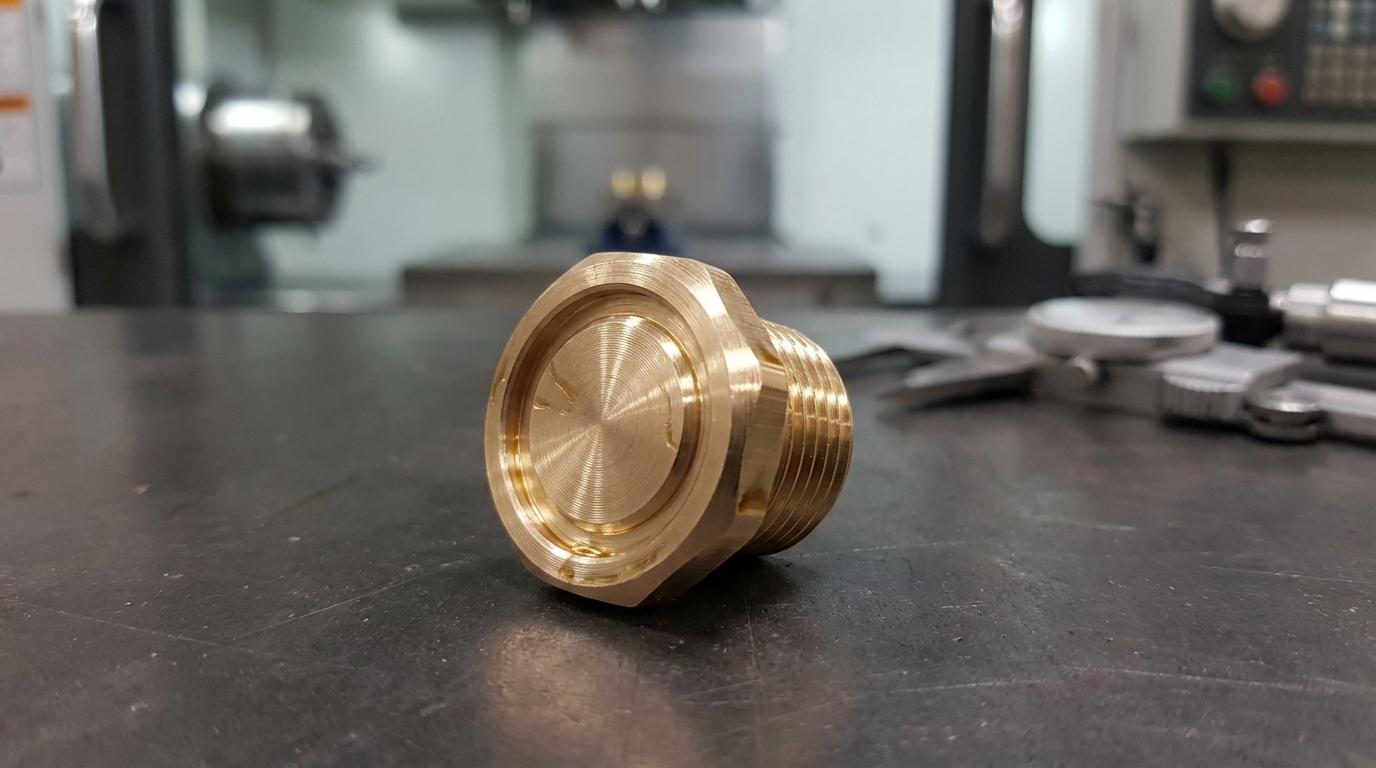
Rapid Prototype Machining for Brass Components
When a brass component has to fit, seal, and perform under real pressure, a prototype made from the same family of alloys can save weeks of redesign. Rapid prototype brass machining delivers that conf ...
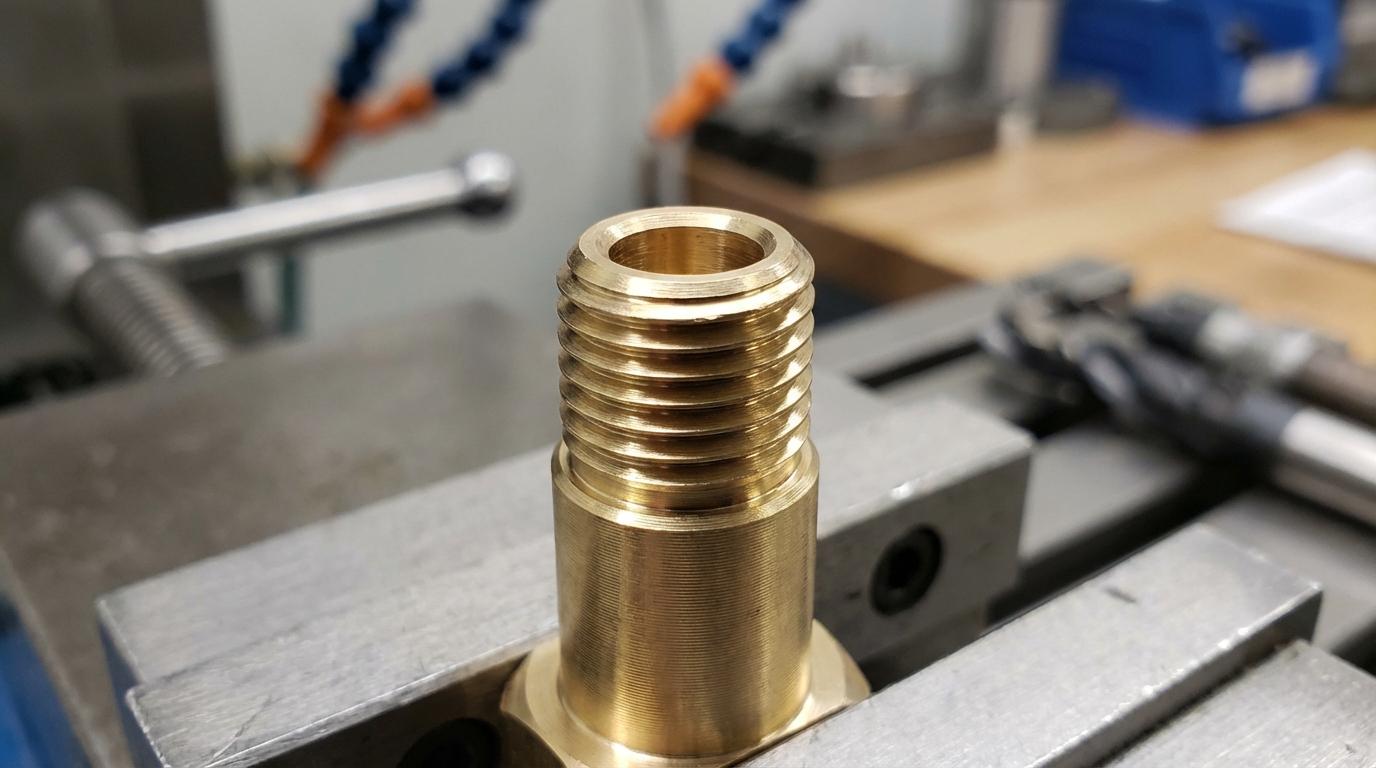
Custom Threading Services: NPT, NPSM, UNF/SAE, and Specialty Threads
Threads look simple on a drawing, yet they decide whether a brass fitting seals on the first assembly, survives vibration, and can be serviced again without damage. When standard catalog parts do not ...
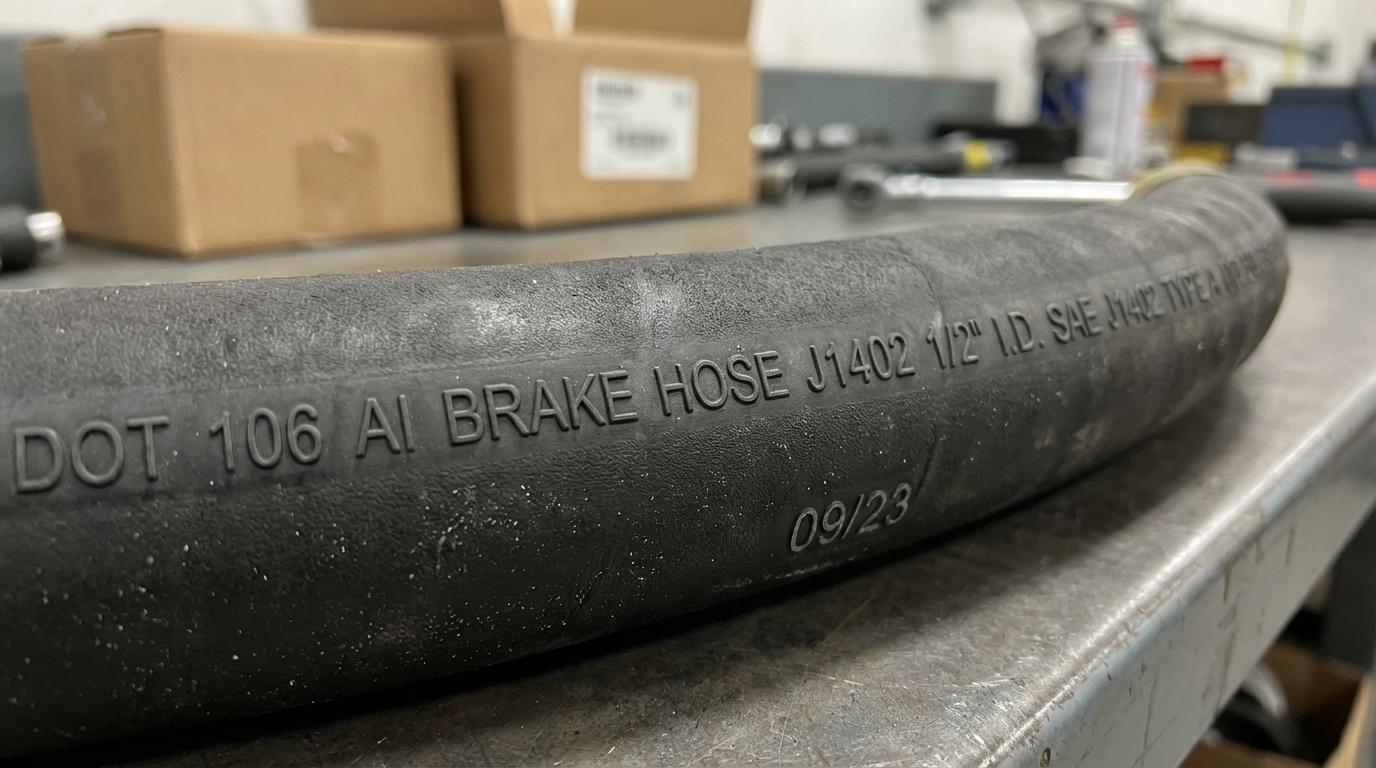
DOT Air Brake Compliance Basics: Key Specs Buyers Should Verify Before Ordering
A DOT air-brake order can look deceptively simple: a few fittings, some nylon tubing, maybe a hose assembly or two. Yet those small items sit inside a regulated safety system where performance expecta ...
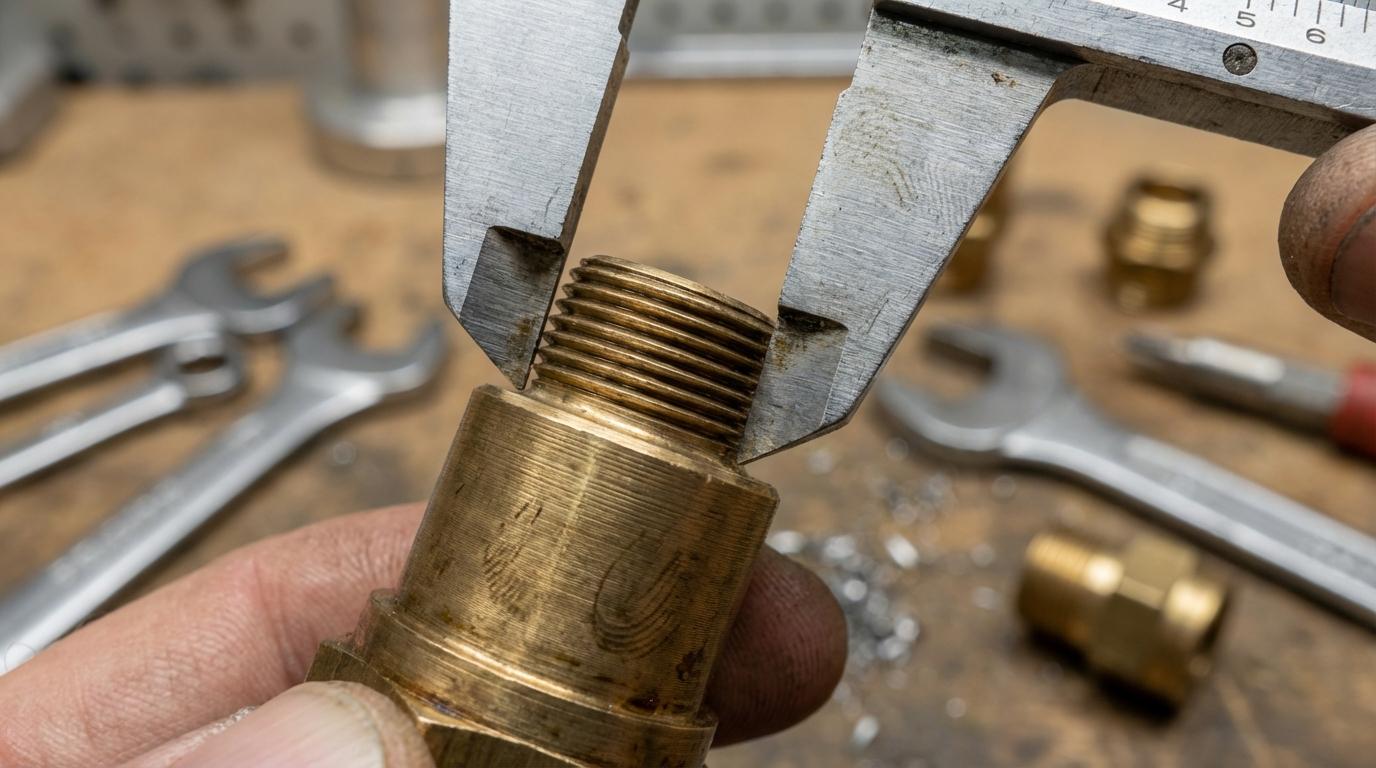
Brass Valve & Fitting Cross-Reference / Replacement Sourcing
When a brass valve or fitting fails, the hardest part is often not the repair. It is figuring out what the part really is once the original brand, stamping, or part number no longer tells the full sto ...
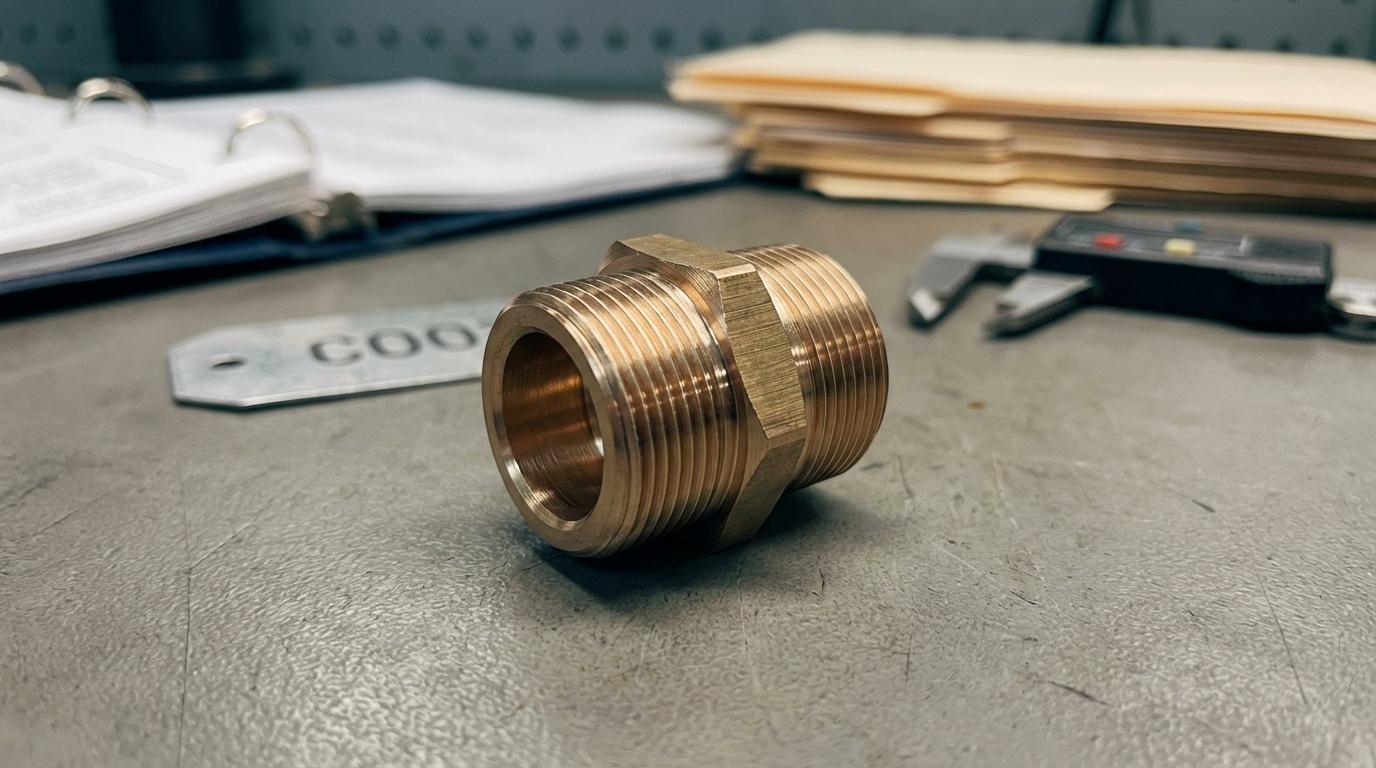
Made-in-USA Brass Fittings Supply (Country-of-Origin Assurance)
Sourcing brass fittings is rarely just about price and availability. For many teams, it is about proving what you bought, where it was made, and why it belongs in a regulated system. When a project ca ...
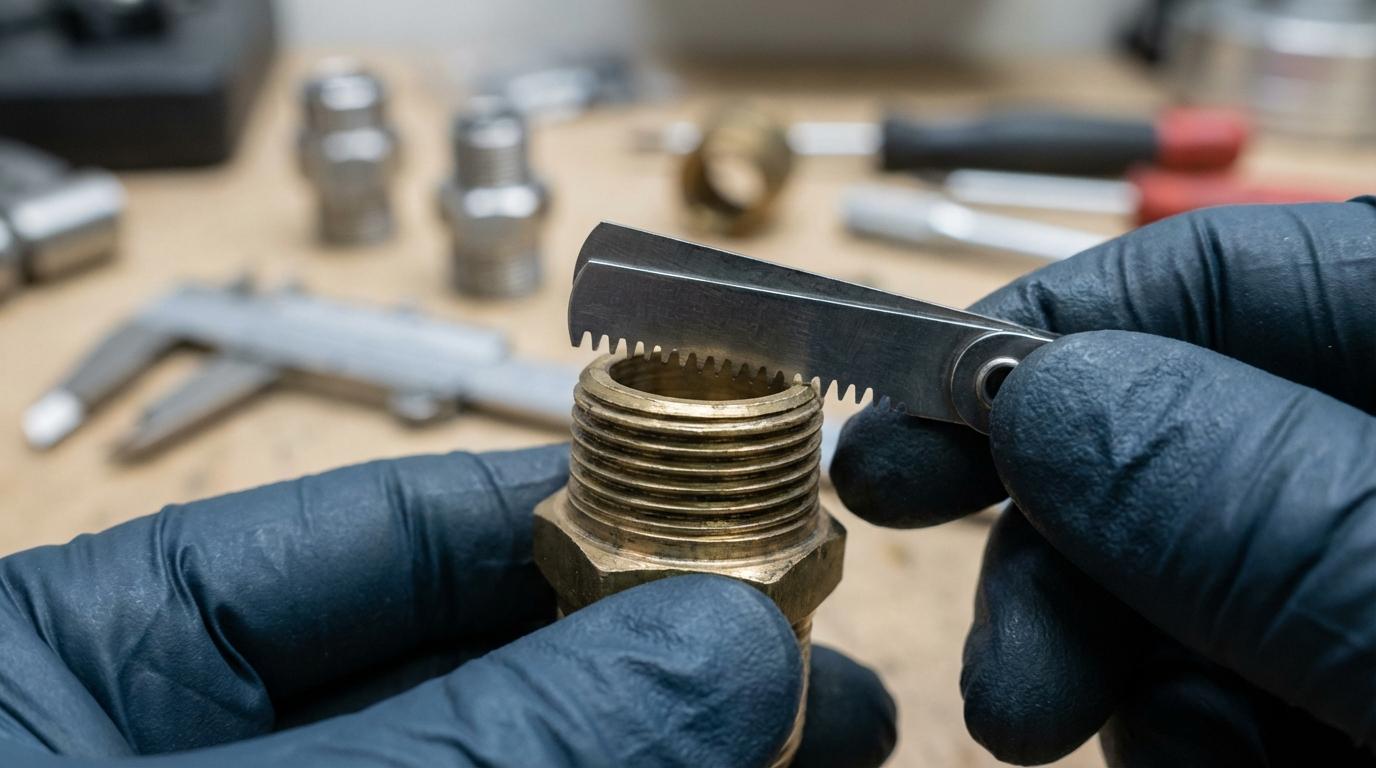
NPT, BSPP, BSPT Threads Explained (With a Quick Identification Checklist)
Thread mix-ups are rarely dramatic at the workbench. They become dramatic after installation, when a “tight” joint weeps, a gauge reads wrong because it is seated on damaged threads, or a maintenance ...
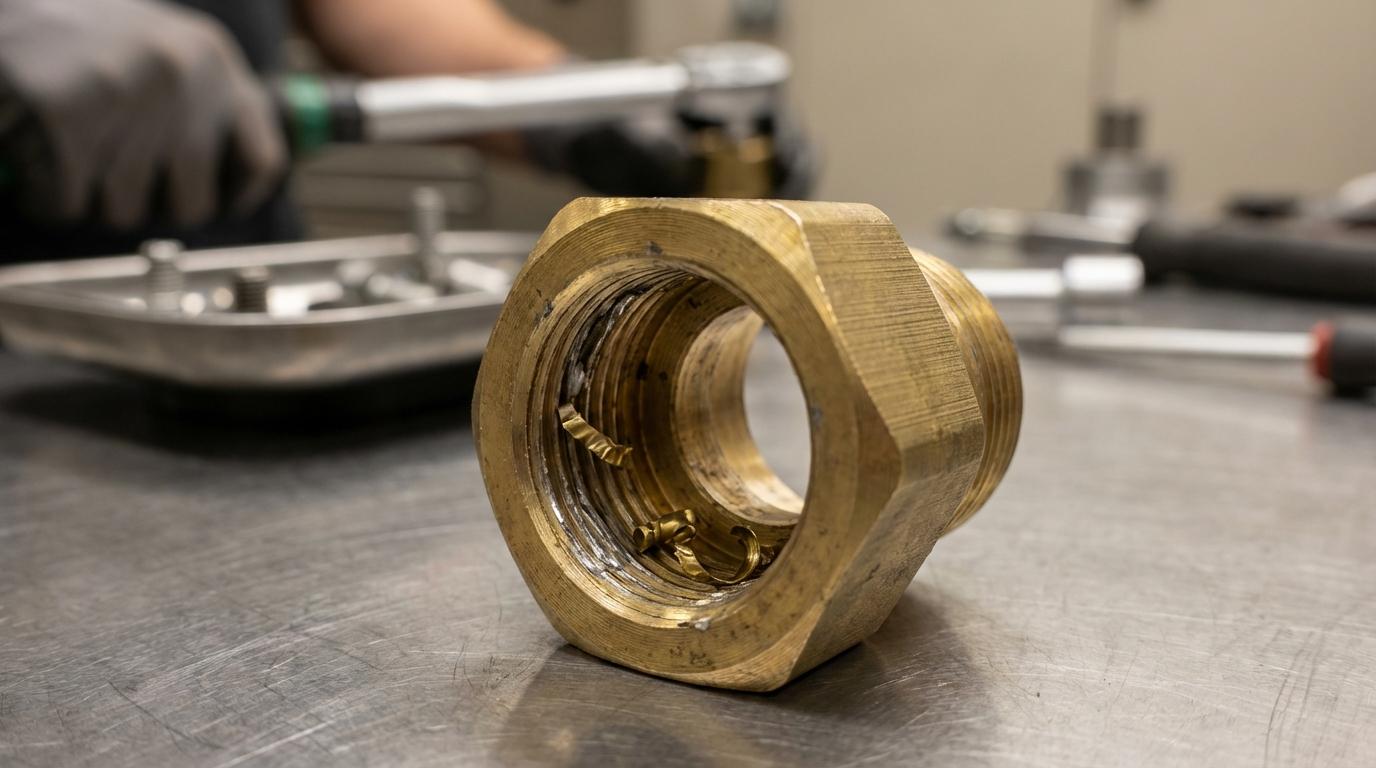
How to Prevent Galling, Stripped Threads, and Cracked Fittings in Brass Assemblies
Brass fittings earn their place in fluid and air systems because they machine cleanly, resist many forms of corrosion, and seal well across a wide range of pressures. Yet the same material traits that ...
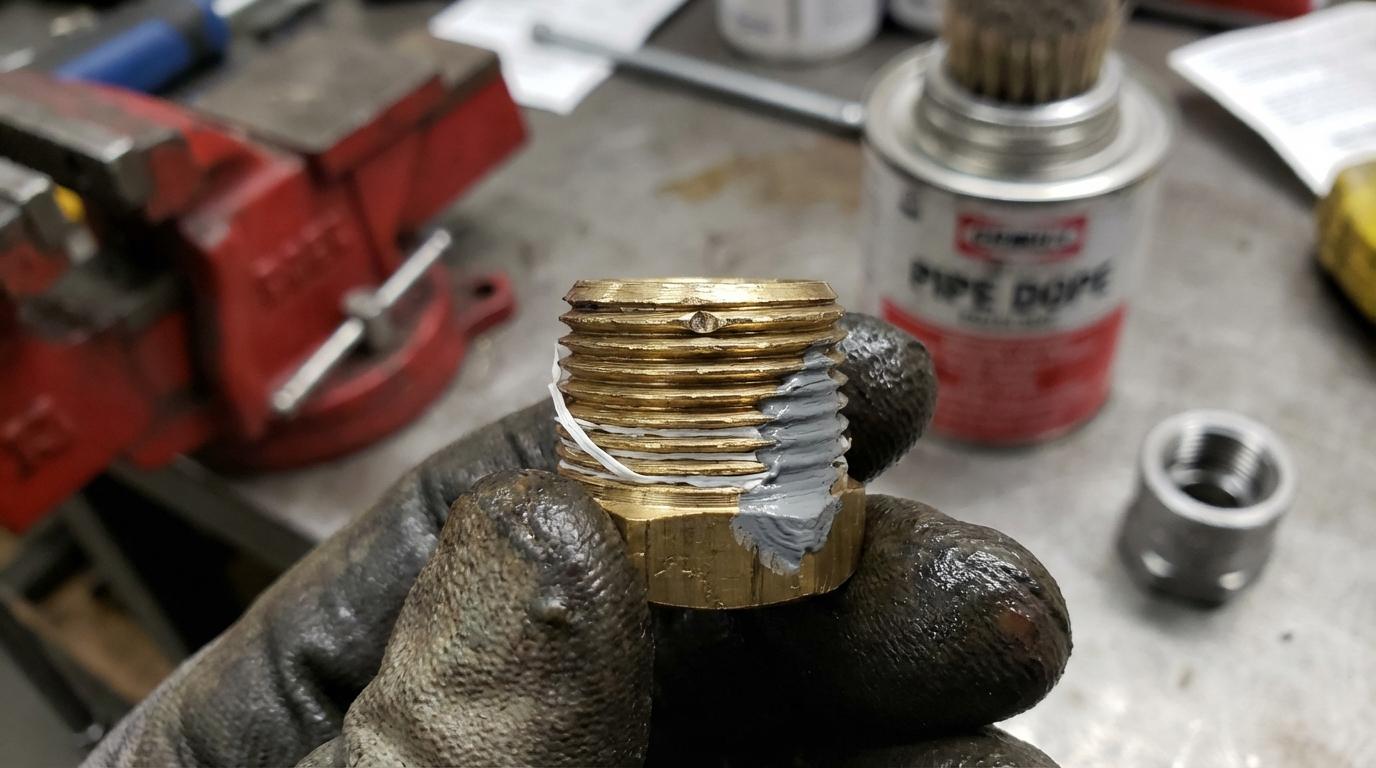
Leak-Proof Thread Sealing: PTFE Tape vs Pipe Dope vs Pre-Applied Sealant
Threaded connections are deceptively simple. Two tapered parts tighten, friction rises, and the joint feels solid. Yet the seal is still made in microscopic voids along the helix of the thread, and th ...
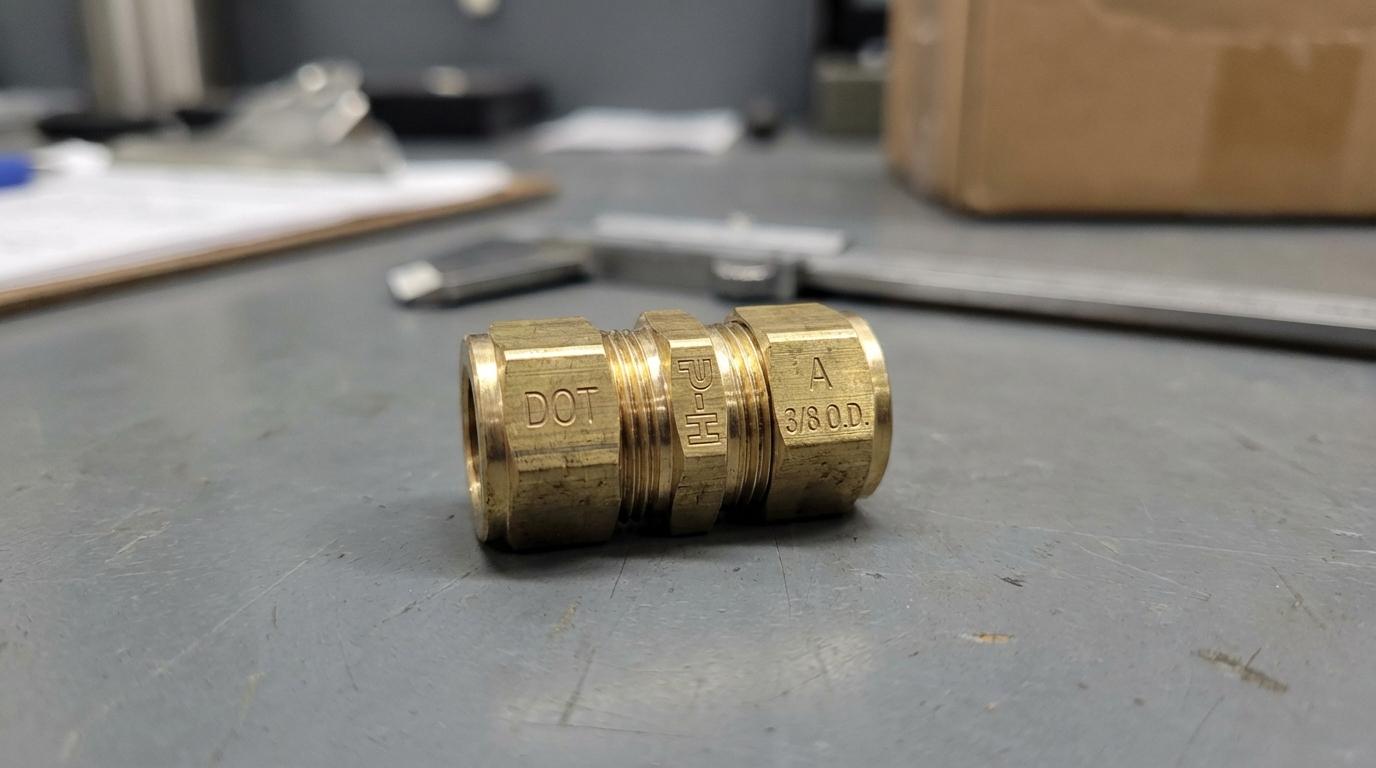
DOT-Approved Air Brake Fittings Sourcing & Documentation Support
Air brake systems leave little room for guesswork. When a fitting is called out for brake service, buyers need more than a matching thread. They need the right configuration, the right material, the r ...
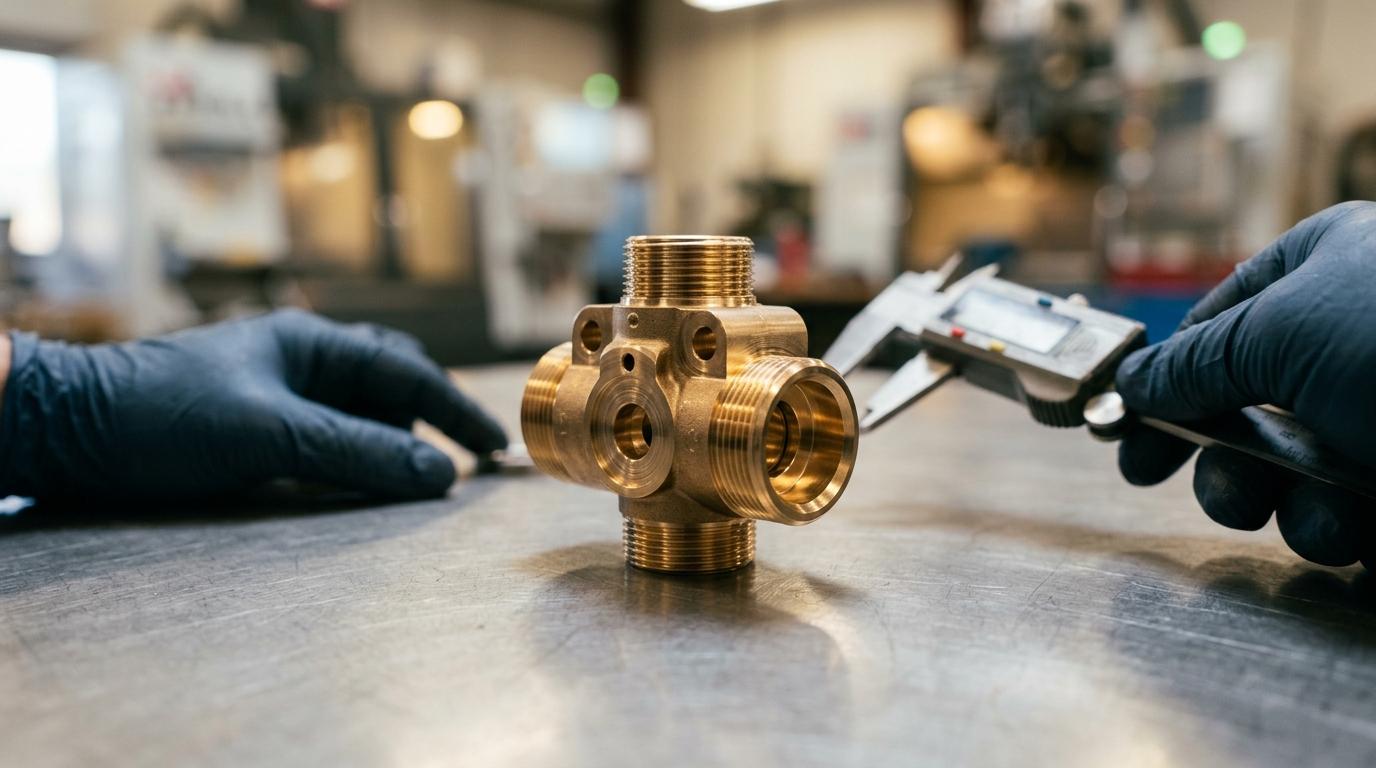
OEM Supply Program for Brass Fittings & Valves
Reliable supply matters when brass fittings and valves are built into finished equipment, service kits, or production assemblies. OEM buyers need more than a catalog. They need consistent quality, pra ...
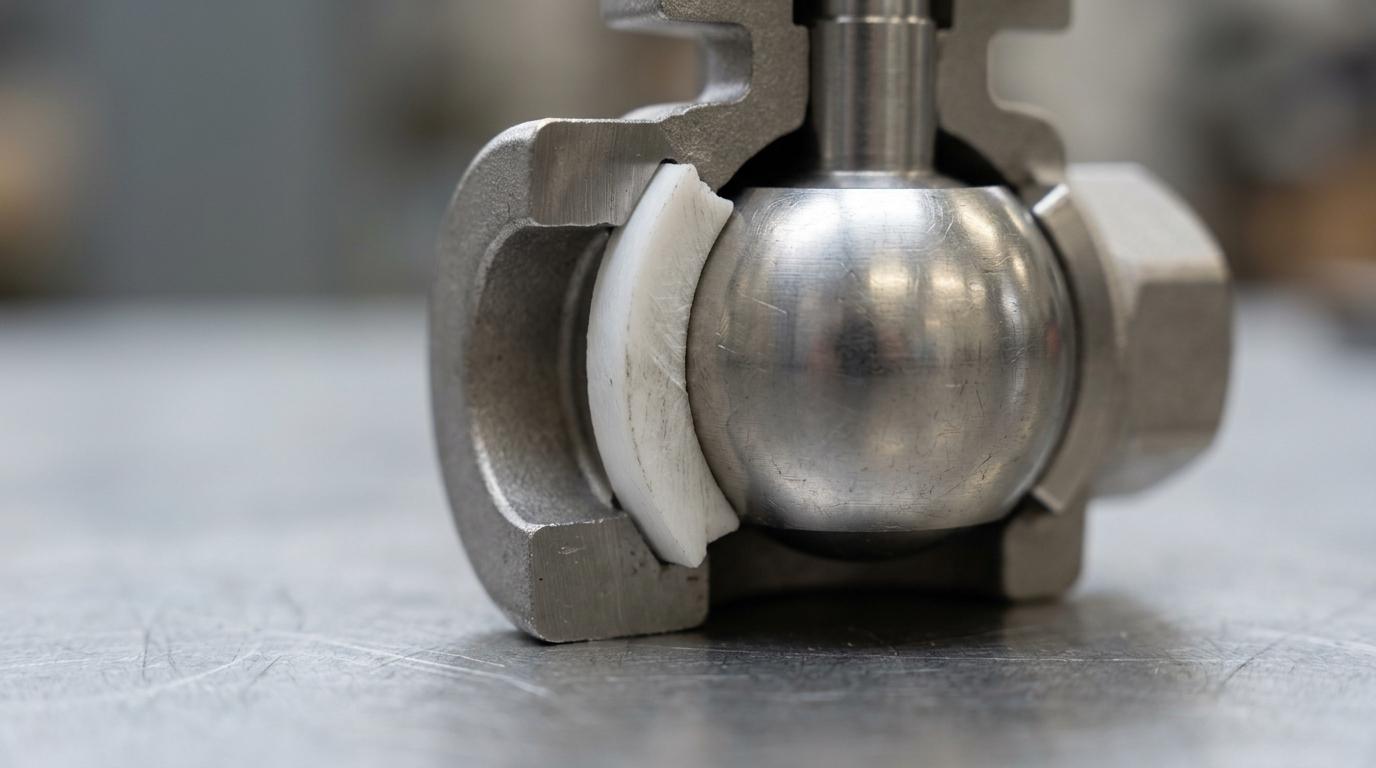
Selecting Industrial Ball Valves: Full Port vs Standard Port, Seat Materials, and Pressure Ratings
Choosing a ball valve looks straightforward until the service conditions start stacking up. A valve that opens and closes cleanly on day one can still be the wrong choice if it adds avoidable pressure ...
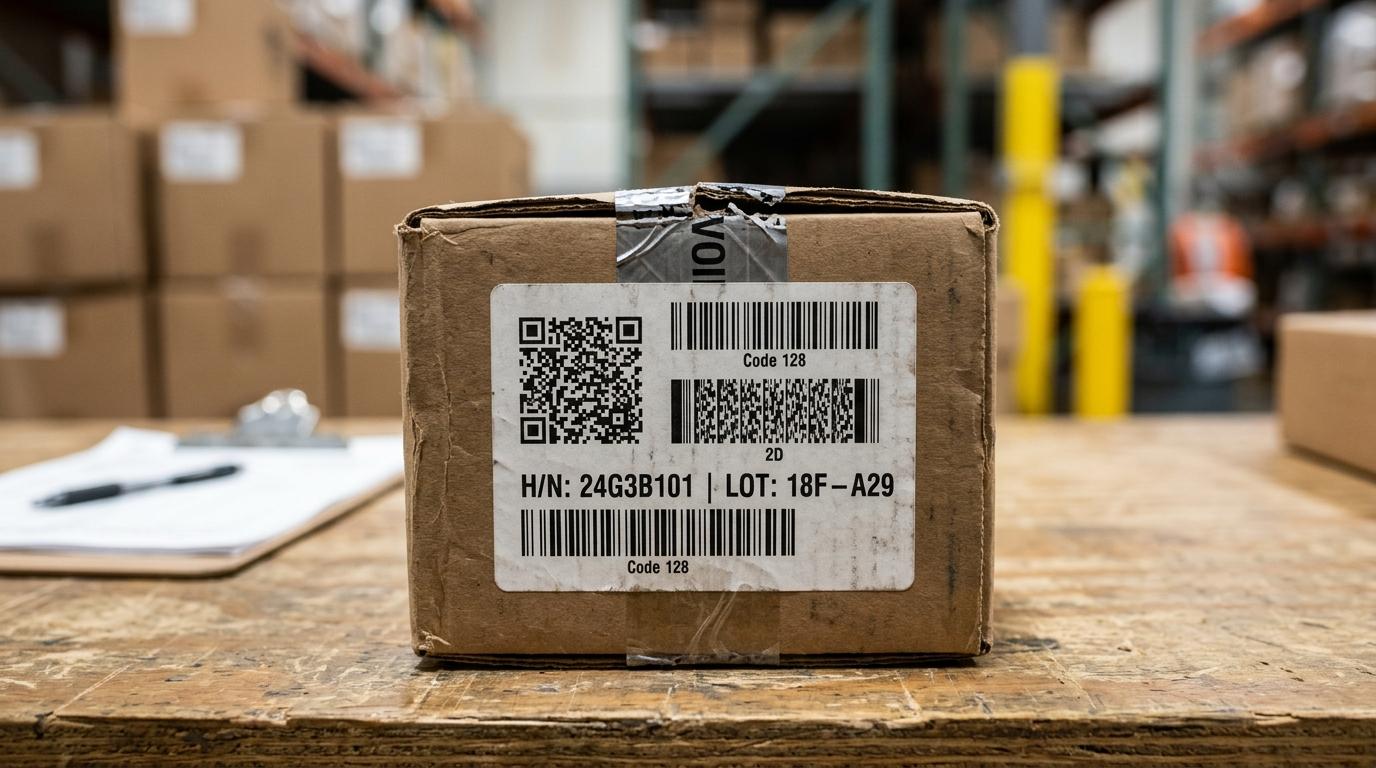
Brass Fittings Procurement Checklist: Quality Docs, Country of Origin, and Lot Traceability
When buyers set out to buy American made brass fittings, price is rarely the full story. The stronger decision sits where product quality, regulatory fit, and lot traceability meet. A fitting may look ...
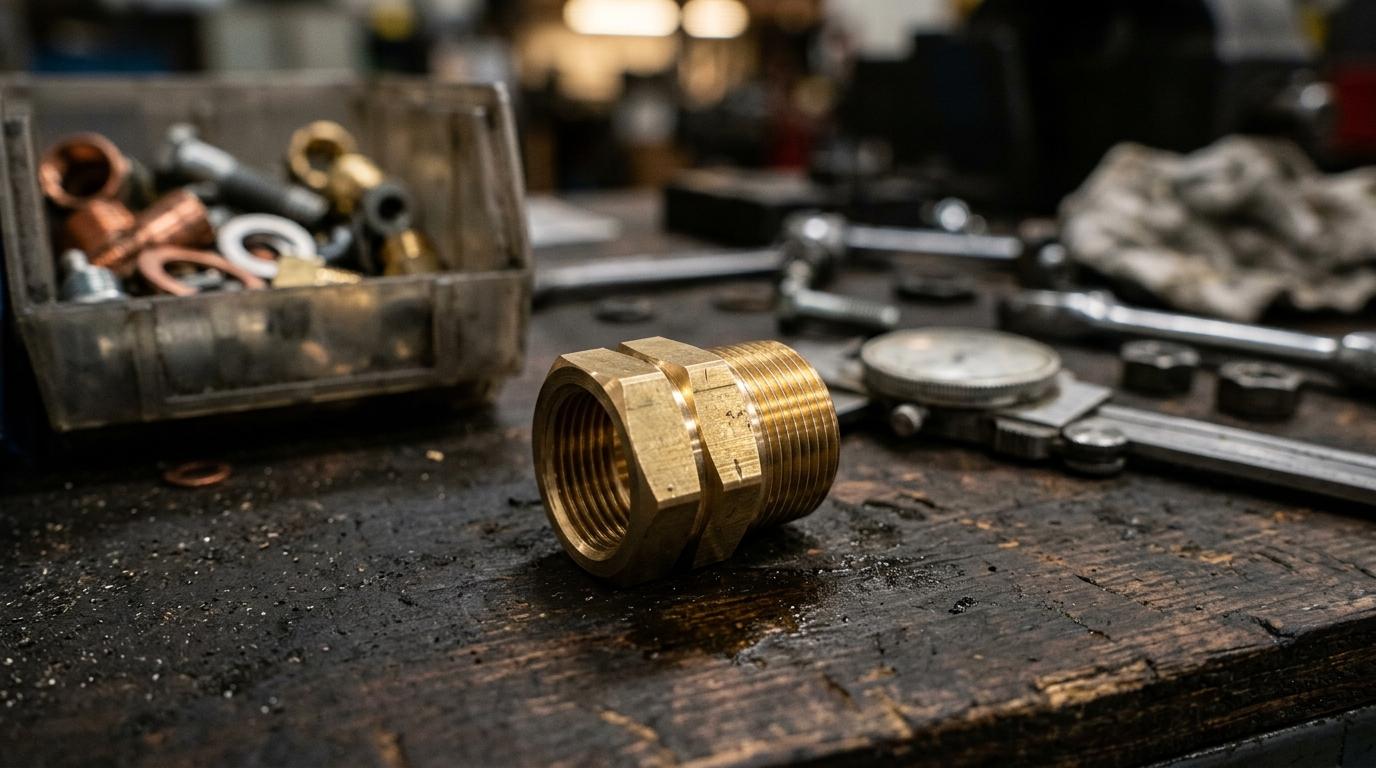
MRO Supply Program: On-Call Brass Fittings for Maintenance Teams
Maintenance teams rarely have the luxury of waiting on a small part. When a fitting fails, a line is down, a compressor loses pressure, or a fluid system starts leaking, the real cost shows up in lost ...
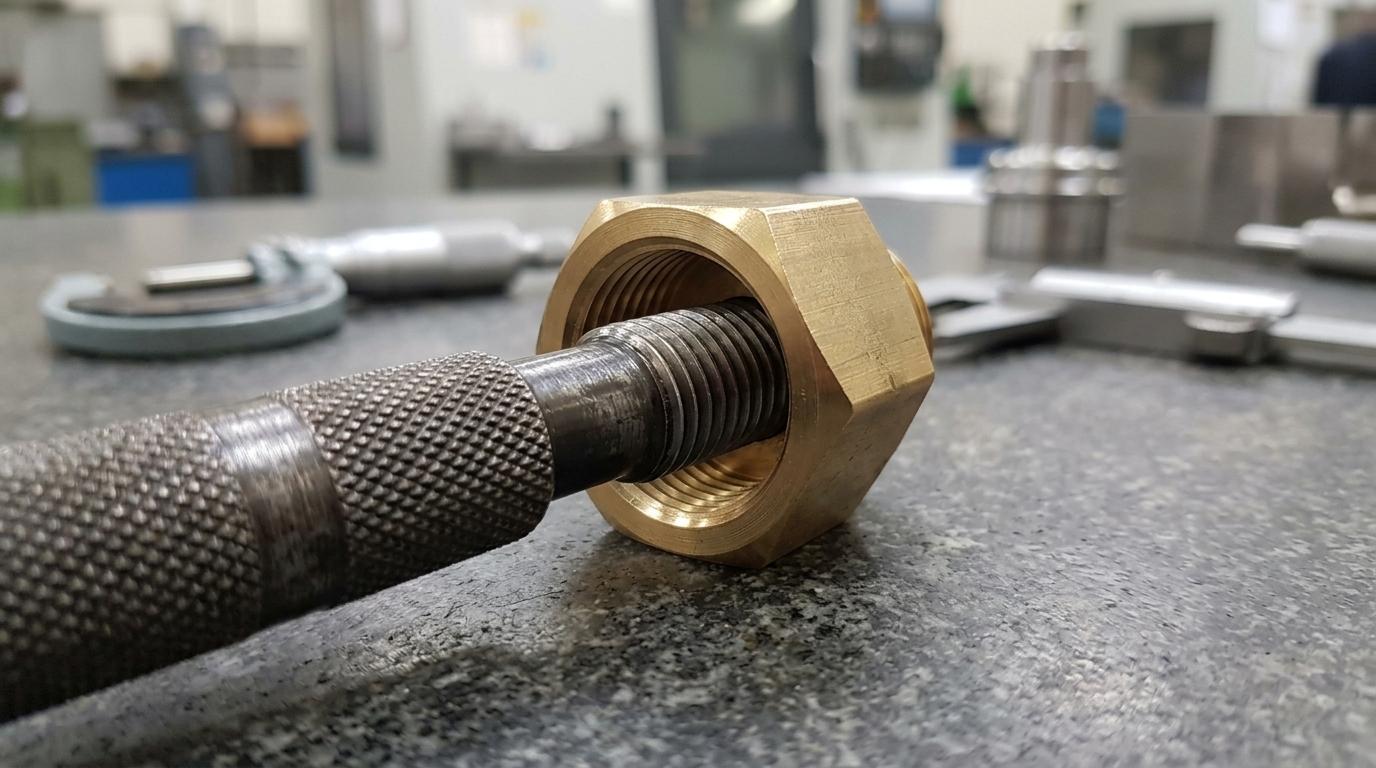
Custom Brass Fittings Manufacturing (Prototypes to Production)
When a standard fitting will not do, a custom brass component can solve the problem at the source. The right geometry, thread form, bore size, sealing surface, and material grade can improve assembly ...