Brass Fittings Brass Hose Y Garden Hose Fitting
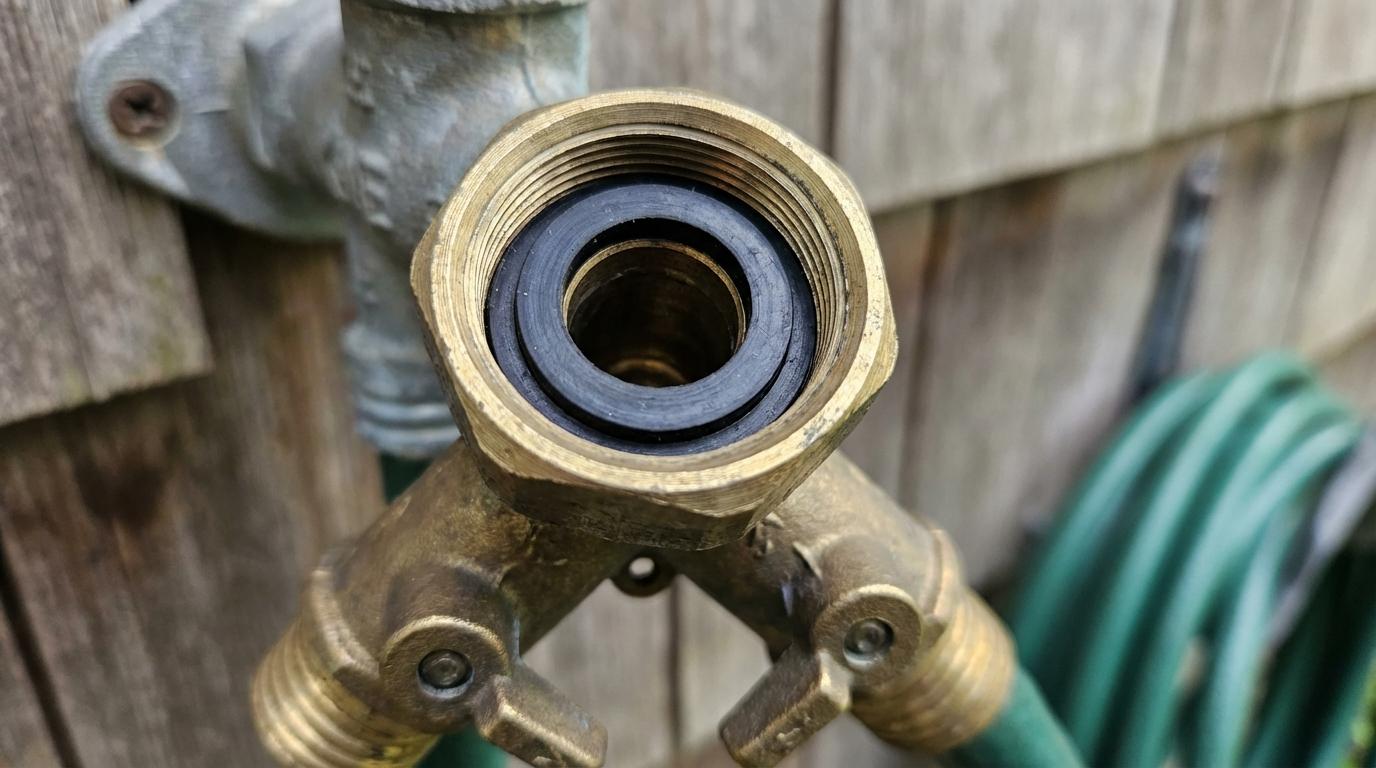
A brass fitting garden hose splitter is a small component with an outsized impact. When it works well, you stop walking back and forth to the spigot, stop swapping hoses mid-task, and stop accepting drips as “normal.” When it works poorly, it becomes the weak link that soaks siding, wastes water, and turns a simple watering plan into a daily nuisance.
A solid brass garden hose Y fitting (often called a Y-splitter) is one of the most reliable ways to get two independently controlled outlets from a single faucet. It is also one of the easiest upgrades to spec correctly if you know what matters: threads, sealing surfaces, valve design, and material quality.
Why a brass Y-splitter changes how you use a spigot
A two-way splitter turns one hose bibb into two stations. That sounds basic, yet the practical payoff is real: you can run a sprinkler on one branch while filling a tank on the other, or keep a drip line connected all season while still having an open port for hand watering.
The best versions are not just “two ports.” They provide two shutoffs, one for each leg, so you can isolate a branch without touching the faucet handle. That is a big deal when a timer, pressure regulator, or filter is downstream and you want to keep it pressurized while swapping a nozzle on the other side.
Expect some pressure loss whenever you split flow, especially if both outlets are open and demanding high volume. With a well-machined brass body, the internal path is typically smoother and more consistent than inexpensive cast alternatives, so you get predictable performance instead of “sometimes strong, sometimes weak.”
Brass vs plastic or zinc: what fails outdoors (and why)
Garden connections fail in boring ways: threads deform, bodies crack in a freeze, valves start to seep at the stem, washers get chewed up, and corrosion locks parts together until you reach for pliers.
Brass earns its reputation outdoors because it balances strength, thread integrity, and corrosion resistance. In typical residential water pressure ranges, brass has ample burst margin and resists the gradual thread damage that shows up as chronic weeping at the faucet.
Cheaper splitters often fail at stress points: the inlet nut, the first thread, or the valve cavity. Plastic can become brittle with UV exposure and temperature cycling. Low-cost zinc die castings can pit or corrode at the threads, and tightening harder usually makes the leak worse by damaging sealing surfaces.
A good brass Y is also service-friendly. Even when a washer finally wears, the fitting body is usually still worth keeping, so a small maintenance step restores performance instead of prompting a full replacement.
Thread basics that prevent 90 percent of “mystery leaks”
Most U.S. garden hoses and hose bibbs use 3/4 inch Garden Hose Thread (GHT). GHT is a straight thread, meaning it does not seal by thread taper. It seals when a rubber washer compresses against a flat seat.
That single detail drives a lot of best practices:
- If the washer is missing, you can tighten all day and still leak.
- Pipe thread sealants do not solve a washer problem.
- Cross-threading ruins the sealing geometry quickly, even on brass.
Confusion starts when you connect a hose to plumbing, equipment, or skids that use NPT (tapered pipe thread). NPT is designed to seal along the thread flanks, often with tape or compound, while GHT is designed to seal at the washer face. Adapters exist for this exact reason, and using the correct adapter is cleaner than forcing mismatched threads.
What to look for when choosing a brass garden hose splitter
Before you choose a model, take 30 seconds to define the job. Will both branches run at once? Are you feeding drip irrigation that needs lower pressure? Are hoses heavy and likely to tug sideways on the outlet? Those answers guide you toward the right body style, valve configuration, and accessories.
After that, focus on a few technical checkpoints that separate a long-lasting brass fitting from a “brass colored” disappointment.
A reliable spec process often comes down to these items:
- Body material: Solid brass, not plated zinc.
- Lead-free option: Prefer lead-free brass when water contacts edible gardens, livestock, or any potable-use pathway.
- Inlet geometry: A robust swivel nut reduces hose twist and thread wear.
- Valve feel: Smooth, controlled shutoff without gritty rotation, which can signal poor machining or debris-prone cavities.
- Seal strategy: Replaceable washers at GHT faces and durable stem seals at the valves.
If you are buying for a facility, a fleet, or a municipal crew, small differences matter. Standardizing on a proven splitter style reduces field improvisation and simplifies spares.
A quick buying checklist, with the details that usually decide the outcome:
- Pressure rating: Select margin above your supply pressure, and account for simultaneous demand on both legs.
- Outlet control: Independent shutoffs so one branch can stay connected while the other is swapped.
- Thread compatibility: 3/4 inch GHT for typical hose connections, adapters when transitioning to NPT.
- Ergonomics: Larger levers, grippable nuts, and enough clearance to operate valves with gloved hands.
Common system layouts that work well with a Y fitting
A brass Y-splitter shines when each branch has a defined purpose. One leg can stay “set and forget” for the season, while the other remains flexible for day-to-day tasks.
Here are a few proven layouts that keep things simple and maintainable.
| Setup | Branch A | Branch B | Notes |
|---|---|---|---|
| Irrigation plus washdown | Drip line with regulator and filter | Open hose for nozzle | Keeps drip components installed while preserving a general-use outlet |
| Sprinkler plus fill | Oscillating sprinkler | Barrel or tote fill line | Independent shutoffs make it easy to stop filling without interrupting watering |
| Two-zone hand watering | Front bed hose | Back bed hose | Saves time when moving between areas, especially with different nozzle settings |
| Equipment feed plus utility | Soft-wash or mixer feed (when permitted) | Rinse hose | Verify pressure and flow needs before running both simultaneously |
If you need sharply different pressures, consider adding a regulator on one branch rather than throttling with the valve. Throttling can work, yet it is less repeatable, and some devices perform better with a stable inlet pressure.
Installation and maintenance that keep it drip-free
Most leaks blamed on “bad splitters” are installation issues: missing washers, debris on the sealing face, or over-tightening that distorts soft parts. Brass is strong, but the seal in a GHT connection still depends on a simple washer doing its job.
Start clean, hand-tighten first, then use only light wrench assistance if needed. When a connection is correct, it seals without brute force.
A practical maintenance routine looks like this:
- Replace worn hose washers
- Keep spare vacuum breakers where required
- Drain and disconnect before hard freezes
- Avoid using pliers on swivel nuts
- Rinse grit from threads before reconnecting
One sentence that saves fittings: A garden hose thread is not a pipe thread, so treat the washer as the primary seal.
When a simple Y is not enough: adapters and accessory fittings
Real sites are messy. A hose might need to connect to a female pipe port, a flare connection on a piece of equipment, or a barbed line feeding a temporary manifold. That is where “garden hose fitting” stops meaning only hose ends and starts meaning a small kit of adapters that keep work moving.
Industrial Parts Fittings carries American-made brass garden hose fittings beyond the basic splitter, including couplings, adapters, vacuum breakers, hose plugs, and hose barb to garden-hose swivel combinations. That breadth matters when you are trying to standardize connections across irrigation, maintenance washdown, light industrial fluid transfer, or OEM test setups.
A few adapter types show up again and again:
- GHT to NPT: Bridges garden hose connections to tapered pipe threads used on valves, manifolds, and building plumbing.
- GHT to flare: Useful when equipment ports are specified as SAE flare rather than pipe thread.
- Hose barb to GHT swivel: A clean way to transition from a soft tube line to a standard hose connection without improvised clamps on threaded parts.
- Female-to-female options, replacement nuts, and caps that keep older hoses in service.
If your application has any chance of backflow contamination, a hose-end vacuum breaker is also worth considering. Requirements vary by jurisdiction and use case, yet the theme is consistent: protect upstream water whenever a hose can be submerged, connected to chemicals, or attached to equipment with unknown downstream conditions.
Spec habits that help procurement and maintenance teams move faster
For teams that buy splitters and hose fittings in volume, consistency beats novelty. Pick a small set of approved configurations, document them with thread callouts, and keep washers and caps stocked alongside the fittings. The cost is small; the saved labor time adds up quickly.
It also helps to write specs the way technicians think. Instead of only listing “brass Y splitter,” include the functional requirements: 3/4 inch female GHT inlet, dual 3/4 inch male GHT outlets, independent shutoffs, and a swivel inlet nut if hose twist is a recurring issue. Those details reduce returns and eliminate the common “it almost fits” problem.
When custom assemblies or unusual transitions are involved, fast-turn custom-machined brass components can be the difference between waiting on a redesign and keeping an install on schedule. A supplier that can support both standard catalog garden-hose fittings and precision-fabricated adapters gives you a smoother path from prototype to repeatable purchasing.
Brass garden hose splitters are simple parts, yet they reward careful selection. Get the threads right, respect the washer seal, choose solid brass with the valve features your layout needs, and a single spigot can serve as a dependable, two-line water station season after season.
Keywords:
brass garden hose splitter